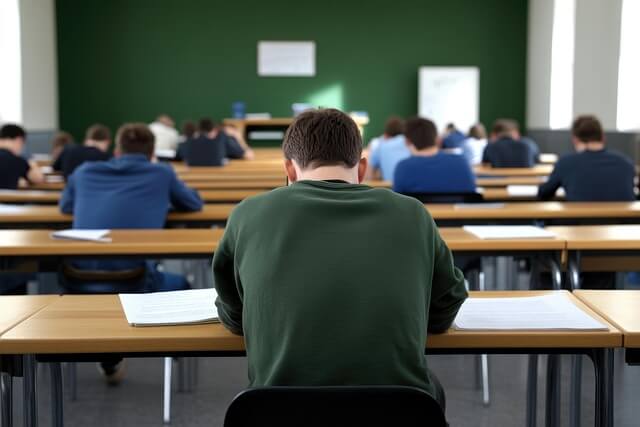
We often focus heavily on helping children prepare academically for exams — finishing the syllabus, revising on time, and aiming for good grades. But in the middle of this preparation, one important question often gets overlooked: are we also helping them cope with how exams make them feel?
Understanding Exams Stress
Exam years are a sensitive phase of growth. Children are still discovering who they are, how capable they feel, and how safe it is to make mistakes. Stress during exams is not simply about discipline or effort; it is a response to expectations, fear of outcomes, and the emotional weight placed on performance.
A child psychologist would explain that exams stress is shaped not only by the exam itself but by what it represents — approval, success, comparison, or fear of letting others down. When children begin to believe that marks define their worth, stress naturally increases.
A certain amount of pressure can motivate focus, but when it starts to affect confidence or emotional well‑being, it becomes a concern that requires care and support.
Why Exams Become a Family Experience
Exams rarely affect only the child. They quietly enter the home — changing routines, conversations, moods, and expectations. Study schedules shift, tempers run shorter, and even well‑meaning reminders can feel heavy. Children absorb this emotional climate. The worry or urgency felt by parents often becomes part of how a child understands the importance of exams.
This is why parental counseling often emphasizes that exams are not just an academic event but a family experience. A child’s stress is influenced by how safe it feels to struggle, make mistakes, or ask for reassurance at home.

Warning Signs Parents Should Notice During Exams
Exams stress does not always look dramatic. Some children express it openly, while others internalize it quietly. Parents may notice:
- Irritability or frequent emotional reactions
- Withdrawal from family or usual activities
- Sudden emotional outbursts
- Restlessness or constant frustration
- Drop in confidence or self‑belief
These are not signs of laziness or misbehaviour. As many clinical psychologists highlight, they are often signals that a child feels overwhelmed and unsure how to cope.
What Parents Can Do During Exams
1. Create Emotional Safety During Exams
One of the most valuable things parents can offer is emotional safety. This means allowing children to express worry or fear without rushing to fix it. Listening, acknowledging feelings, and reassuring them that they are valued beyond marks can reduce stress significantly. Simple responses like “I can see this is stressful for you” or “We’ll handle this together” help children feel supported.
2. Study Support Without Pressure During Exams
Parents often intend to help by reminding children to study or setting high standards. But what feels like support to a parent can feel like pressure to a child.
- Focus on effort, not just results.
- Be mindful of tone and frequency of reminders.
- Keep expectations realistic and flexible.
- Collaborate on study plans instead of controlling them.
- Separate your own anxiety from your child’s preparation.
This is where counseling services in schools, colleges, and hospitals can play a role — guiding families to distinguish between support and pressure.
3. Manage Stress as a Family During Exams
Exam stress often mirrors the emotional atmosphere at home. Parents may unconsciously project their own past exam experiences — whether praise, comparison, or fear of failure — onto their children. Children are not reliving their parents’ academic story; they are writing their own. Reflecting on this difference helps parents respond more thoughtfully.

Practical steps include:
- Regulating your own anxiety first.
- Supporting your child’s unique learning style.
- Keeping communication open and safe.
- Maintaining predictable routines like meals and sleep.
- Allowing space for rest and normal family life.
The Night Before the Exams
The night before an exam carries quiet intensity. Children may revise excessively or go unusually silent. Parents may feel restless, wanting to check one last time or say the “right” thing.
But this is not the time for corrections or comparisons. Preparation is already complete. What children need most is reassurance — that their effort has been seen, that their worth is not defined by marks, and that home remains a safe place regardless of outcomes.
Encourage rest. Sleep is not laziness; it is preparation. A rested mind recalls better.
Long‑Term Impact of Exams Stress
Exams will come and go, but the memories attached to them often stay. Long after marks are forgotten, children remember how they felt — whether supported or pressured, understood or dismissed.
As child psychologists often emphasize, parents cannot remove every challenge, but they can shape the environment in which children face those challenges. When home feels steady and reassuring, children learn resilience, self‑trust, and the ability to grow through pressure rather than be defined by it.

Final Thought
Exam stress is not just about academics; it is about emotional safety, family dynamics, and the messages children receive about their worth. With the right support — from parents, schools, and professional counseling services — children can learn to face exams with confidence rather than fear.